
Chicken Paws Wholesale: Bulk Chicken Feet for Global Buyers
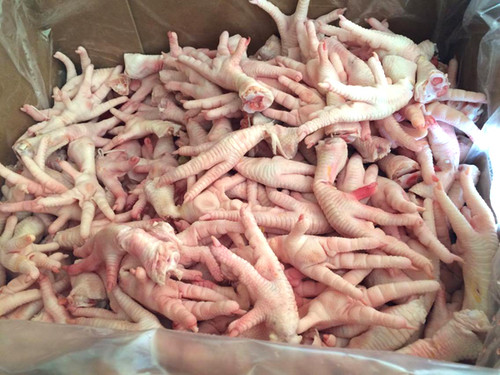
Chicken paws wholesale is an important sourcing option for importers, distributors, restaurants, food processors, wholesalers, and foodservice businesses that require frozen poultry products in commercial quantities. Chicken paws, commonly referred to as chicken feet in many markets, are used in soups, broths, traditional dishes, snacks, and other culinary preparations.
Chicken Feet Suppliers
When choosing chicken feet suppliers, buyers should request detailed product information before placing an order. Important specifications include origin, processing method, size or weight range, carton net weight, packaging format, production date, expiry date, available quantity, and recommended storage conditions.
International buyers should also verify applicable export documentation and the import requirements of their destination country.
Bulk Chicken Feet for Sale
Businesses searching for bulk chicken feet for sale should compare suppliers according to product specifications, quality standards, packaging, quantity, and delivery terms. Commercial orders may be supplied by carton, pallet, or larger shipment depending on the supplier’s minimum order quantity.
For frozen products, maintaining the cold chain from processing through transportation and storage is essential. Buyers should follow the supplier’s recommended storage conditions and applicable food-safety requirements.
Chicken Feet Wholesale Price
The chicken feet wholesale price can vary according to origin, grade or specification, size, processing, order quantity, packaging, market conditions, and transportation costs. Buyers should request a detailed quotation that clearly states the product specification, quantity, price basis, and delivery terms.
Wholesale Chicken Feet Suppliers
Reliable wholesale chicken feet suppliers should provide consistent product specifications and appropriate commercial documentation. Before confirming an international shipment, buyers should verify certificates, packaging, pallet configuration, container loading, payment terms, and destination-market requirements.
Detailed FAQ About Chicken Paws
1. What are chicken paws used for?
Chicken paws are commonly used in soups, broths, traditional recipes, snacks, and other food preparations.
2. Are chicken paws and chicken feet the same?
The terms are often used interchangeably in international poultry trading, although terminology may differ between markets.
3. What affects the chicken feet wholesale price?
Product specification, origin, size, processing, order quantity, packaging, market conditions, and logistics can influence the final price.
4. What should I ask chicken feet suppliers?
Ask about origin, processing, weight range, carton configuration, shelf life, certifications, MOQ, available volume, storage, and shipping terms.
5. Can I buy chicken paws wholesale for export?
Yes, wholesale chicken paws may be available for export, subject to supplier availability and the export and import requirements of the relevant markets.
6. How should frozen chicken paws be stored?
They should remain continuously frozen according to the supplier’s recommended storage conditions and applicable food-safety requirements.
If you’re in the business of pet treats, feed mixes, or niche culinary ventures, you’ve probably noticed how chicken paws—once considered a waste byproduct—are turning into a surprising asset. For many buyers, the challenge isn’t finding quality frozen chicken paws; it’s finding them at a price that makes sense for your margins. Here’s a clever, practical guide to locating Affordable Frozen Chicken Paws Wholesale Suppliers, with a few industry-insider tips and real-world leads to help you scale efficiently.
Related Chicken Parts For Sale Wholesale
Frozen Chicken Feet
Frozen Chicken Paws
Frozen Whole Chicken
Frozen Chicken Drumsticks
Frozen Chicken Wings
Frozen Chicken leg quarter
Frozen chicken back
Why chicken paws? A quick reality check
- They’re high in cartilage and collagen, appealing for certain pet foods and supplements.
- They tend to be price-stable and less perishable than other cuts, making them a reliable staple in bulk purchases.
- The global demand in some markets creates steady supply, provided you navigate quality, traceability, and regulatory considerations. How are frozen chicken feet packaged
Shopping smart for wholesale pricing
1) Know your quality standards
- Define trim level, moisture content, and packaging requirements (bundle size, vacuum sealing, or bagged).
- Clarify certifications (food-grade processing, HACCP, third-party audits) and origin traceability.
- Decide if you need deboned, skin-on, or fully intact paws. Small changes in specs can swing price and availability.
2) Compare total landed cost, not just unit price
- Include freight, duties, and handling fees, especially if importing from international suppliers.
- Consider minimum order quantities (MOQs), lead times, and return policies.
- Check for hidden costs: cold-chain maintenance, palletizing, labeling, and documentation.
3) Leverage seasonal and regional dynamics
- Prices can fluctuate with supply shocks, holidays, and festival seasons in major chicken-producing regions.
- Local suppliers may offer better shipping times and fresher stock, even for frozen goods, if you’re within a reasonable radius.
4) Build a short list of vetted suppliers
- Start with a core trio of options: established wholesalers, regional fulfillment centers, and integrators with steady export/import channels.
- Request a sample package, COAs (Certificate of Analysis), and a traceability dossier to verify quality.
Spotlight: where to start looking for Affordable Frozen Chicken Paws Wholesale Suppliers
- National and regional poultry distributors: These players often bundle chicken paws into bulk poultry products and can tailor packaging to your needs.
- Co-ops and purchasing groups: They pool demand to secure favorable pricing for members and may provide more favorable terms than standalone buyers.
- Exporters with robust logistics networks: For international buyers, a supplier who can handle cold-chain logistics efficiently reduces risk of quality loss.
AURORA ALIMENTOS and Aurora Coop: notable names to watch
- AURORA ALIMENTOS: A named player you’ll want to evaluate for consistent quality controls, clear documentation, and scalable packaging options. If this brand has a presence in your target market, compare their MOQs, lead times, and pricing against other suppliers to gauge true affordability.
- Aurora Coop: Co-ops and cooperative networks can be powerful for negotiating favorable wholesale terms, especially if you’re a smaller buyer or a business looking to scale. Aurora Coop often emphasizes value through collective buying power, transparent sourcing, and member-focused pricing. Reach out to their procurement team to understand if they offer chicken paws in bulk, what certifications they require from members, and how flexible their terms are for growing businesses.
How to approach suppliers like these
- Be precise in your request: dimensions, packaging, MOQs, delivery windows, and required documentation (COA, allergen statements, origin, processing facility).
- Ask for a recent lot sample and a COA that confirms microbial safety, heavy metal limits, and shelf-life parameters.
- Inquire about cold-chain assurances: what happens if a shipment is delayed? Is there a contingency plan and compensation policy?
- Request references from similar clients (ideally in your region or industry) to verify reliability and consistency.
Negotiation tactics that save money
- Lock in longer-term contracts in exchange for price stability or volume discounts. If you’re confident in your forecast, this can yield meaningful savings.
- Negotiate MOQs based on your actual needs. Some suppliers will offer staggered MOQs for smaller buyers if you commit to regular monthly orders.
- Seek bundled pricing for mixed loads: paws in combination with other frozen poultry products can yield lower per-kilogram costs.
Quality and compliance: don’t compromise
- Favor suppliers with transparent origin, slaughter, and processing records.
- Confirm that the paws meet regulatory requirements for your export market (e.g., labeling, packaging, and allergen statements where relevant).
- Ensure that cold-chain integrity is documented from production to delivery, including temperature logs for each shipment.
Operational tips for handling frozen chicken paws
- Storage: Maintain a dedicated cold storage area at the required temperature to preserve texture and safety.
- Inventory management: Use first-expiry-first-out (FEFO) methods to minimize waste.
- Quality checks: Establish a quick inspection protocol upon arrival (visual check, odor, packaging integrity) before accepting shipments into stock.
Real-world considerations for price-conscious buyers
- Proximity matters: Shorter transit times often translate to lower risk of temperature excursions and better product quality, which justifies a potentially higher per-kilogram price in exchange for reliability.
- Packaging customization: If you can accept slightly larger packaging or mixed-load pallets, you may unlock lower unit costs.
- Supplier diversity: Maintain a short list of trusted sources rather than relying on a single supplier to guard against supply disruptions and price volatility.
Closing thoughts
Finding Affordable Frozen Chicken Paws Wholesale Suppliers isn’t just about chasing the lowest price; it’s about balancing cost with quality, reliability, and compliance. Start by defining your exact requirements, build relationships with a few vetted options, and leverage the power of networks like Aurora Coop to negotiate favorable terms. Keep AURORA ALIMENTOS and similar names on your radar as you compare quotes, request samples, and map out your long-term sourcing strategy.
If you’d like, tell me your target region and monthly volume, and I can help you draft an outreach email to suppliers or assemble a comparison checklist tailored to your needs.